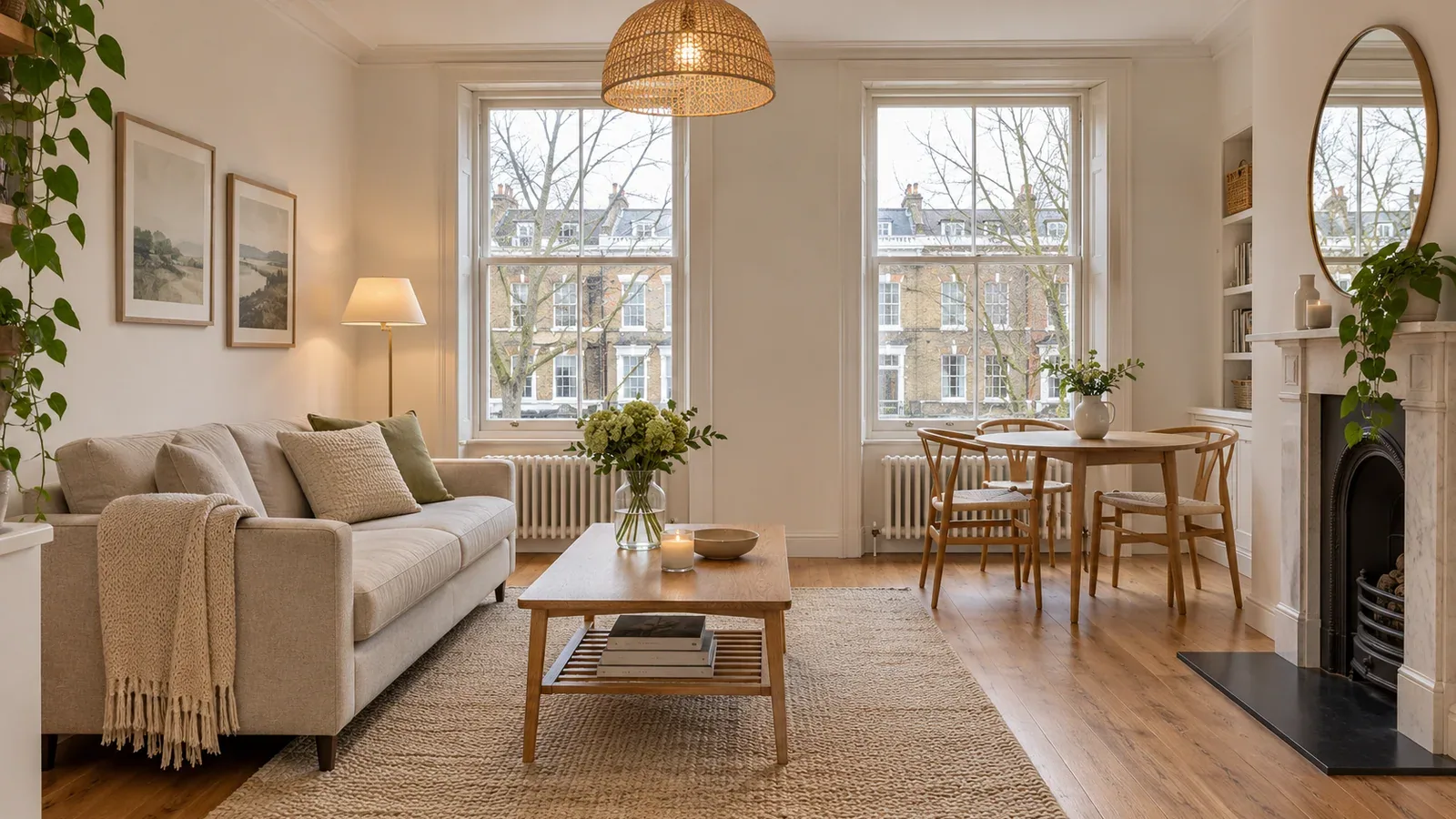
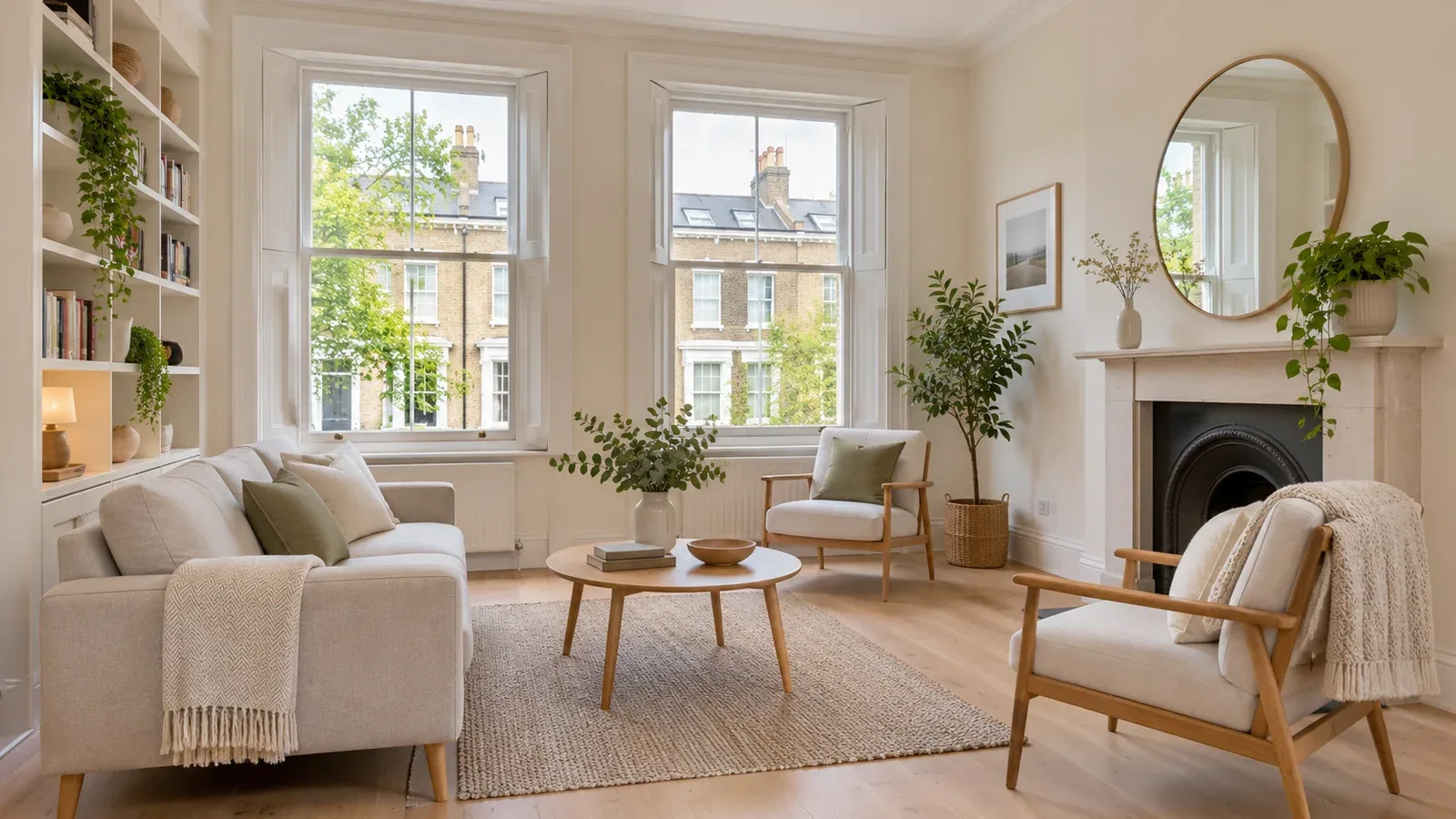
Buyers decide in seconds whether a listing is worth a closer look, and empty rooms rarely win that moment. Staging helps people imagine living in a space, but physical staging is expensive and slow. Virtual staging promises a similar effect for a fraction of the price. Here is how the two compare in practice.
Why staging matters
An empty room gives buyers no sense of scale: is there space for a dining table, or a double bed with two bedside tables? Furniture answers those questions instantly. It also gives the photo a focal point and a warmth that bare walls lack.
Staging doesn’t sell a sofa. It sells the feeling that a life fits in the room.
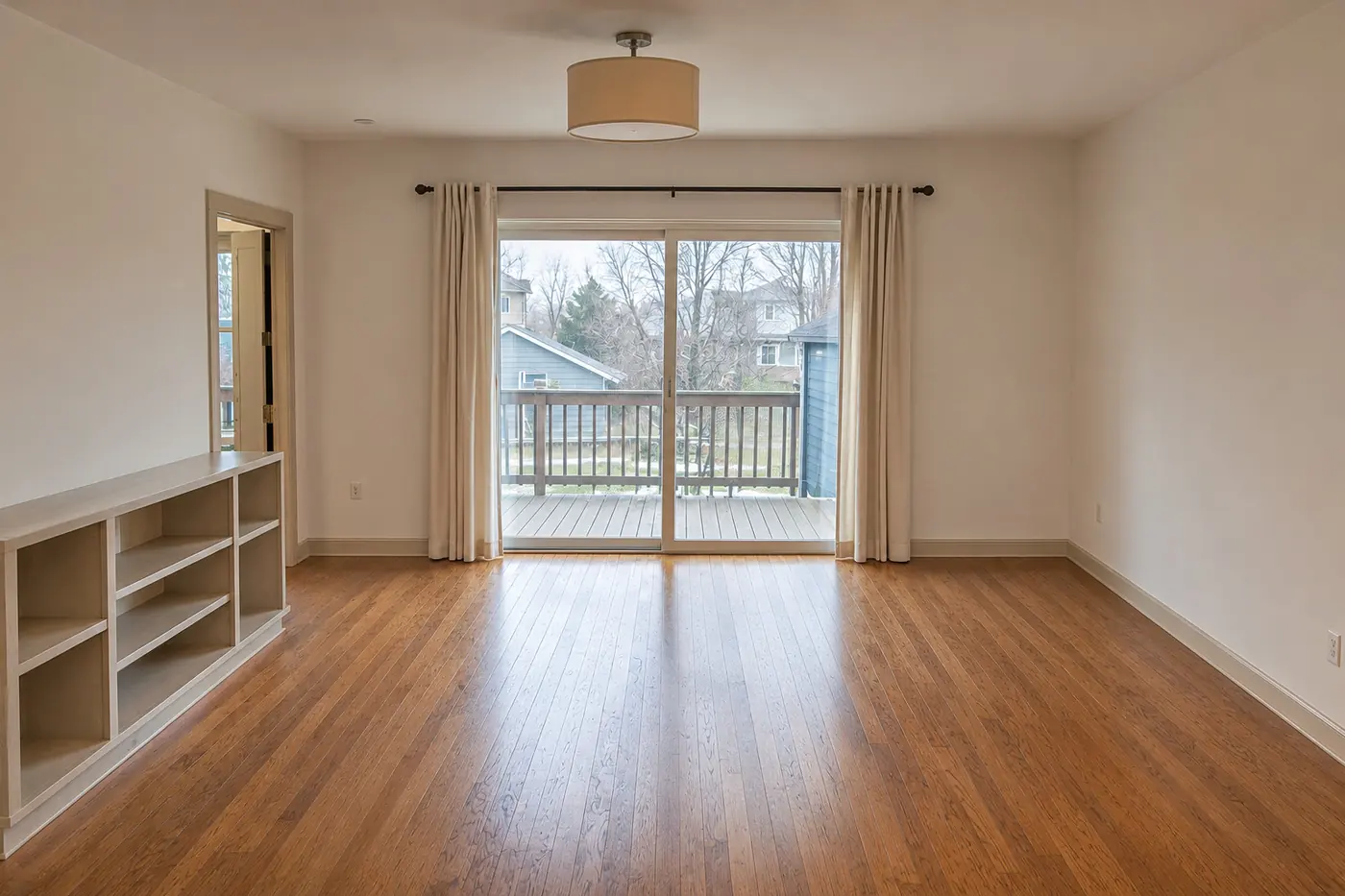
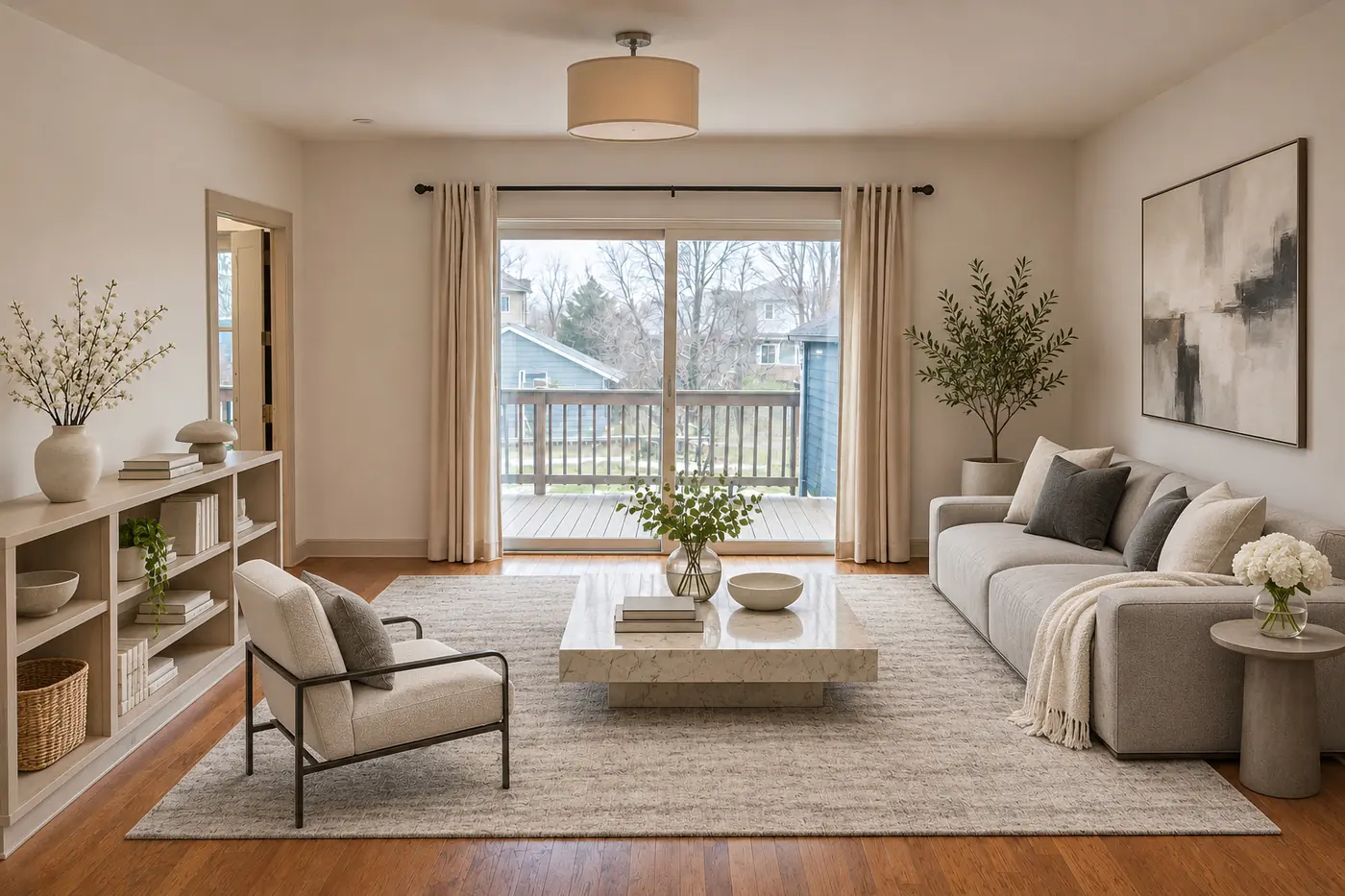 BeforeAfter
Cost compared
Physical staging usually involves furniture hire, transport, a stylist and a recurring fee for as long as the property is on the market. Virtual staging is a one-off cost per photo. Exact prices vary a lot by city and provider, but the order of magnitude looks like this:
| Physical staging | Virtual staging (AI) | |
|---|---|---|
| Typical cost | Hundreds to thousands per home | About $1–2 per photo |
| Lead time | Days to weeks | Minutes |
| Changing the style | New furniture, new visit | Re-run the photo |
| In-person viewings | Furnished | Empty |
Speed and flexibility
With AI staging you can try several styles on the same room – Scandinavian for a young-family flat, Luxury for a penthouse – and keep the version that suits the target buyer. If a listing goes stale, a fresh set of photos costs a few dollars rather than a new staging contract.
When physical staging still wins
- High-end homes where most buyers visit in person and expect a furnished experience.
- Show flats in new developments that host many viewings.
- Unusual layouts that buyers need to walk through to believe.
A quick checklist
- Shoot empty rooms straight-on at chest height with all lights on.
- Choose one consistent style for the whole home.
- Label staged photos clearly as “virtually staged” in your listing.
- Keep one unstaged photo of each main room for transparency.